With digital transformation, automation, and evolving industry demands, employers are no longer focused solely on academic qualifications. Instead, they are prioritising practical skills, certifications, and real-world experience.
This shift has led to a growing demand for:
For students, freelancers, and SMEs, this is no longer optional — it is necessary to stay competitive.
Short courses are focused training programmes designed to equip learners with specific, practical skills within a short period.
Unlike traditional education, short courses in Malaysia are:
They allow individuals to learn, apply, and earn faster.
1. Faster Employability for Students
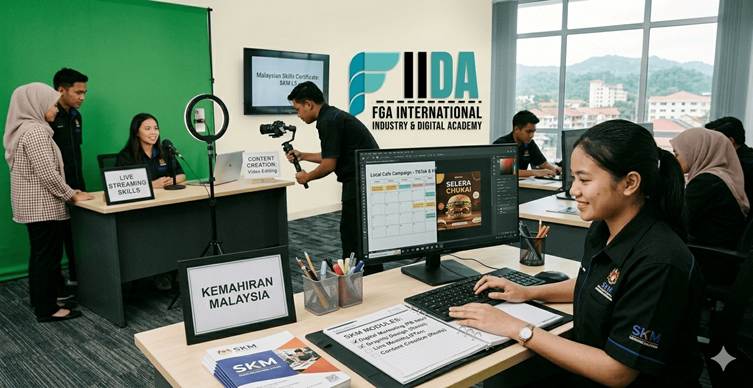
Many graduates in Malaysia face a common challenge — lack of job-ready skills.
Short courses help students:
2. Upskilling Opportunities for Freelancers

The freelance economy in Malaysia is growing rapidly.
To stay competitive, freelancers must continuously upgrade their skills.
Short courses enable freelancers to:
3. Business Growth for SMEs in Malaysia
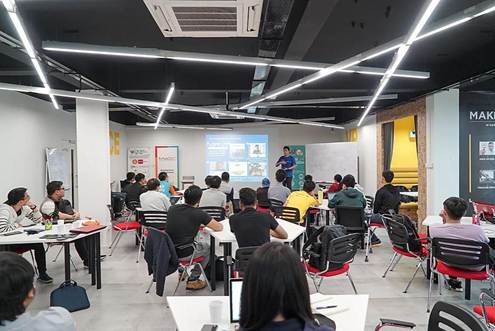
Small and Medium Enterprises (SMEs) are the backbone of Malaysia’s economy.
However, many SMEs struggle with:
Short courses help SMEs:
Certifications are more than just documents; they are proof of competency.
In Malaysia’s competitive job market, certifications:
Candidates with certifications often stand out compared to those with only academic qualifications.
Many employers in Malaysia report a mismatch between education and industry needs.
Graduates often:
Short courses and certifications help to:
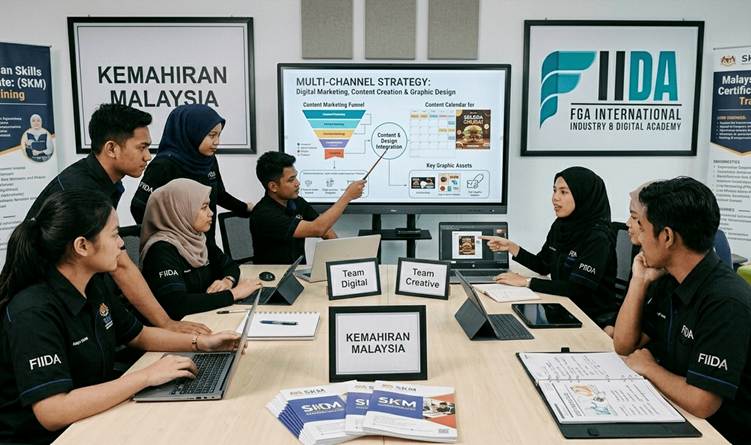
At FIIDA, we focus on bridging the gap between education and industry demands.
Our approach includes:
We aim to develop individuals who are:
The future of work in Malaysia will continue to evolve.
To remain relevant, individuals and businesses must embrace:
The question is no longer:
“What qualification do you have?”
But rather:
“What skills can you offer today?”
Short courses and certifications in Malaysia are no longer a backup plan, they are a strategic necessity.
Whether you are:
Investing in the right skills today will shape your success tomorrow.