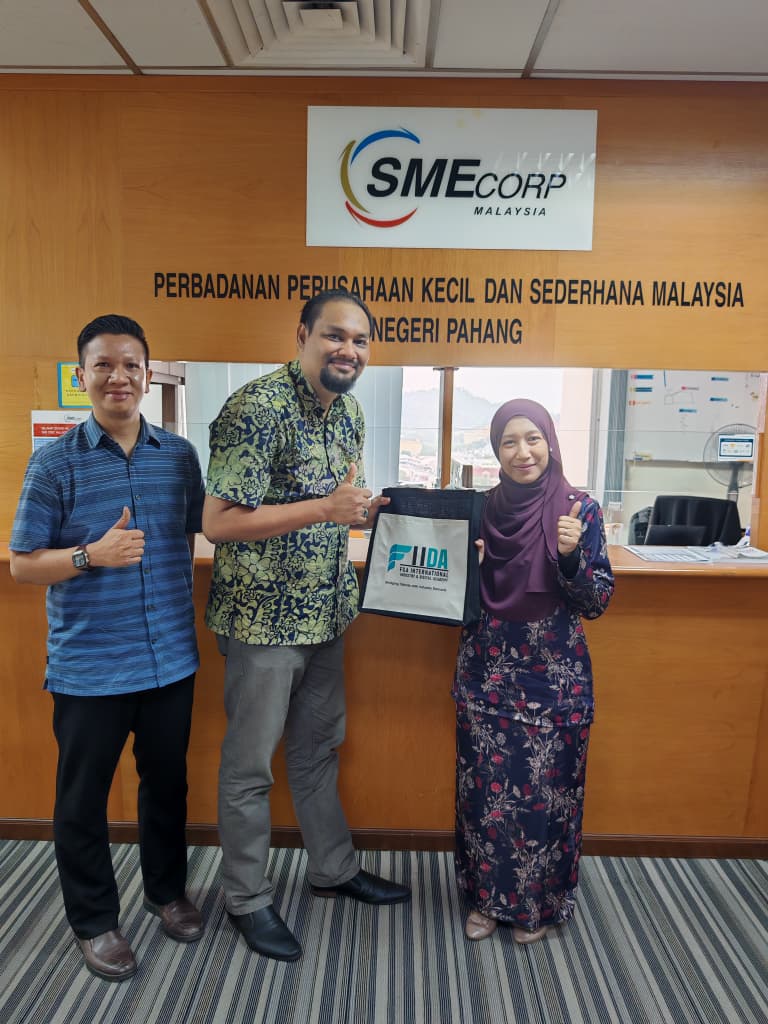
20 July 2026 | Pahang
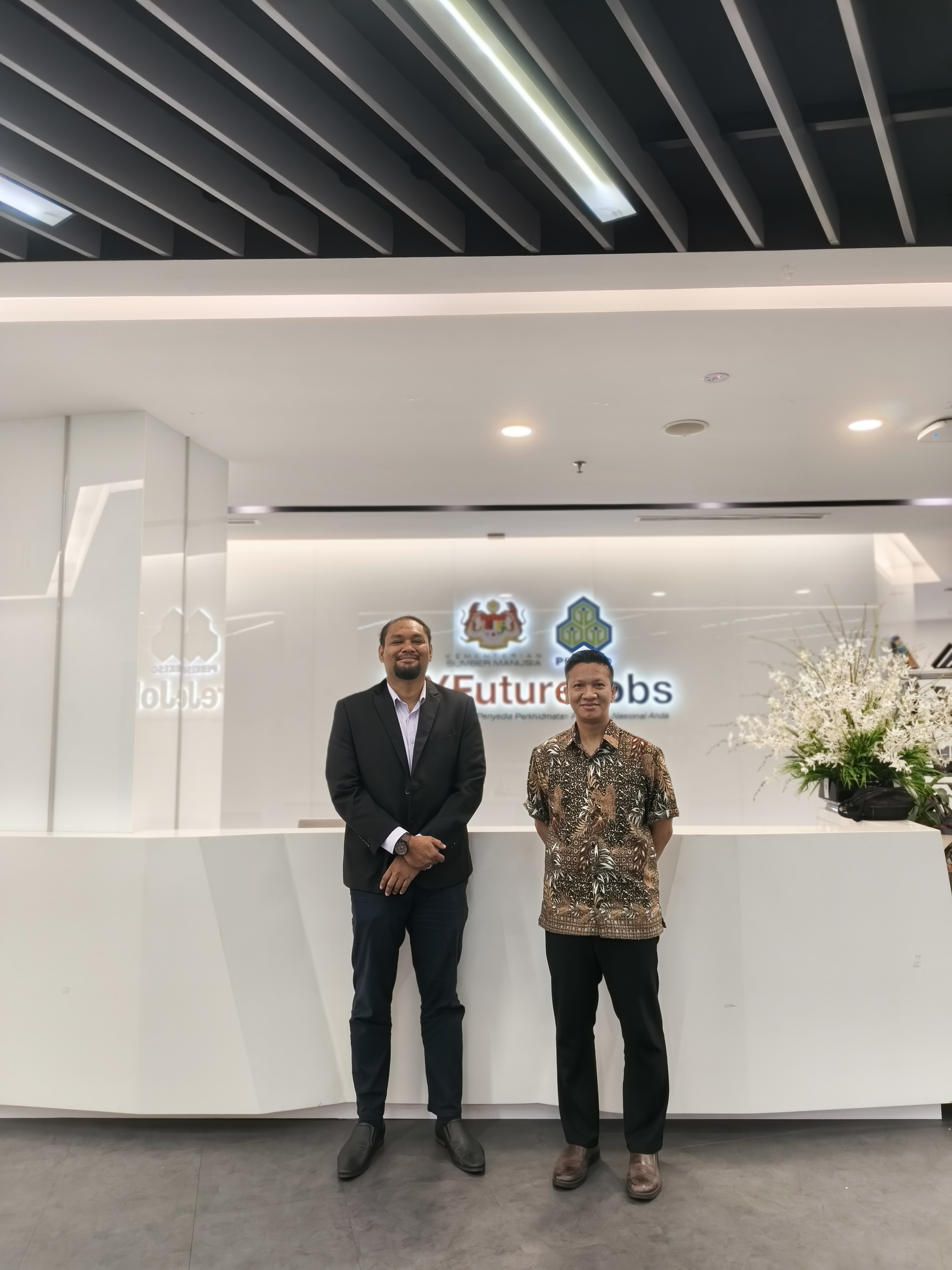
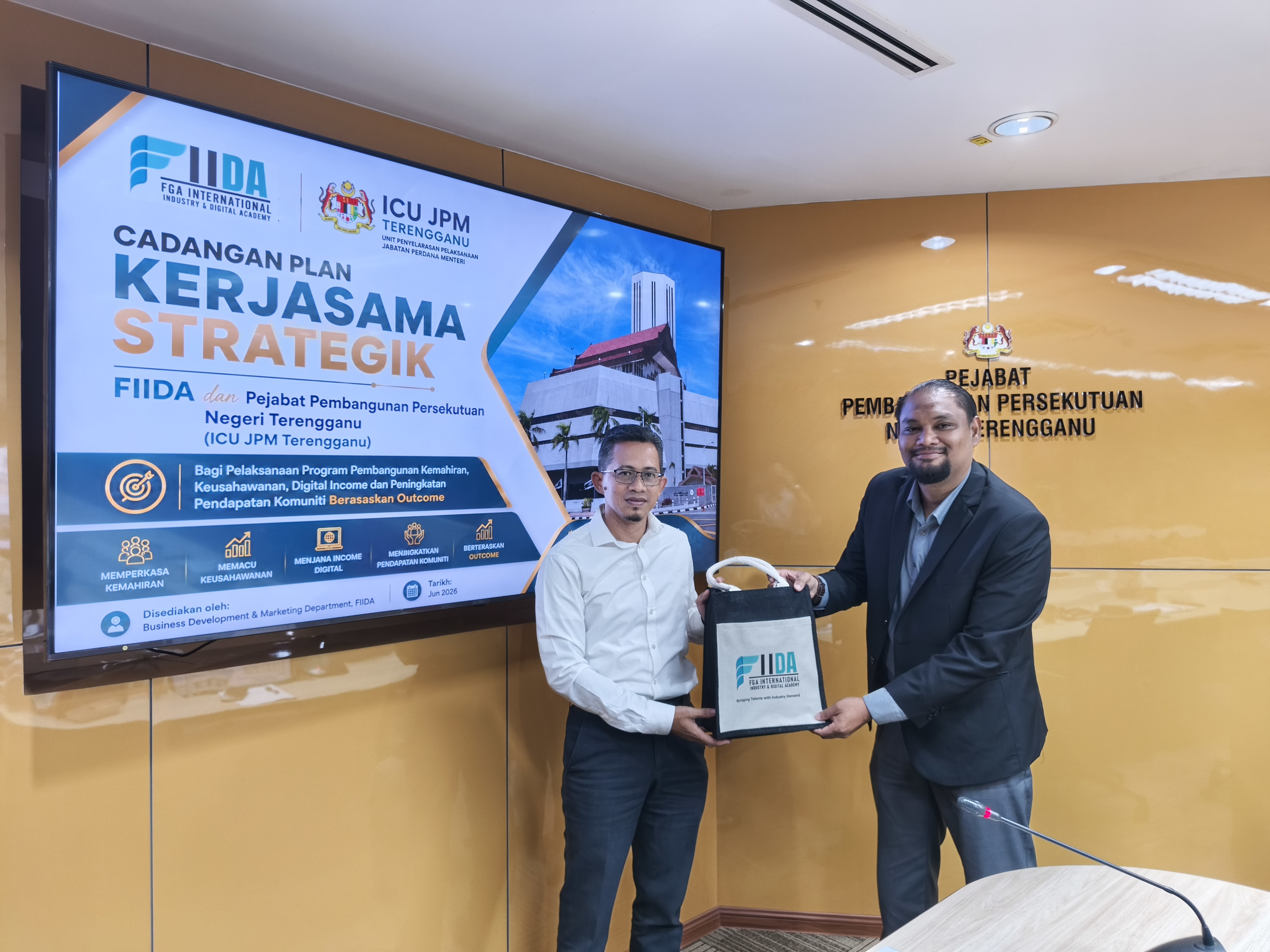
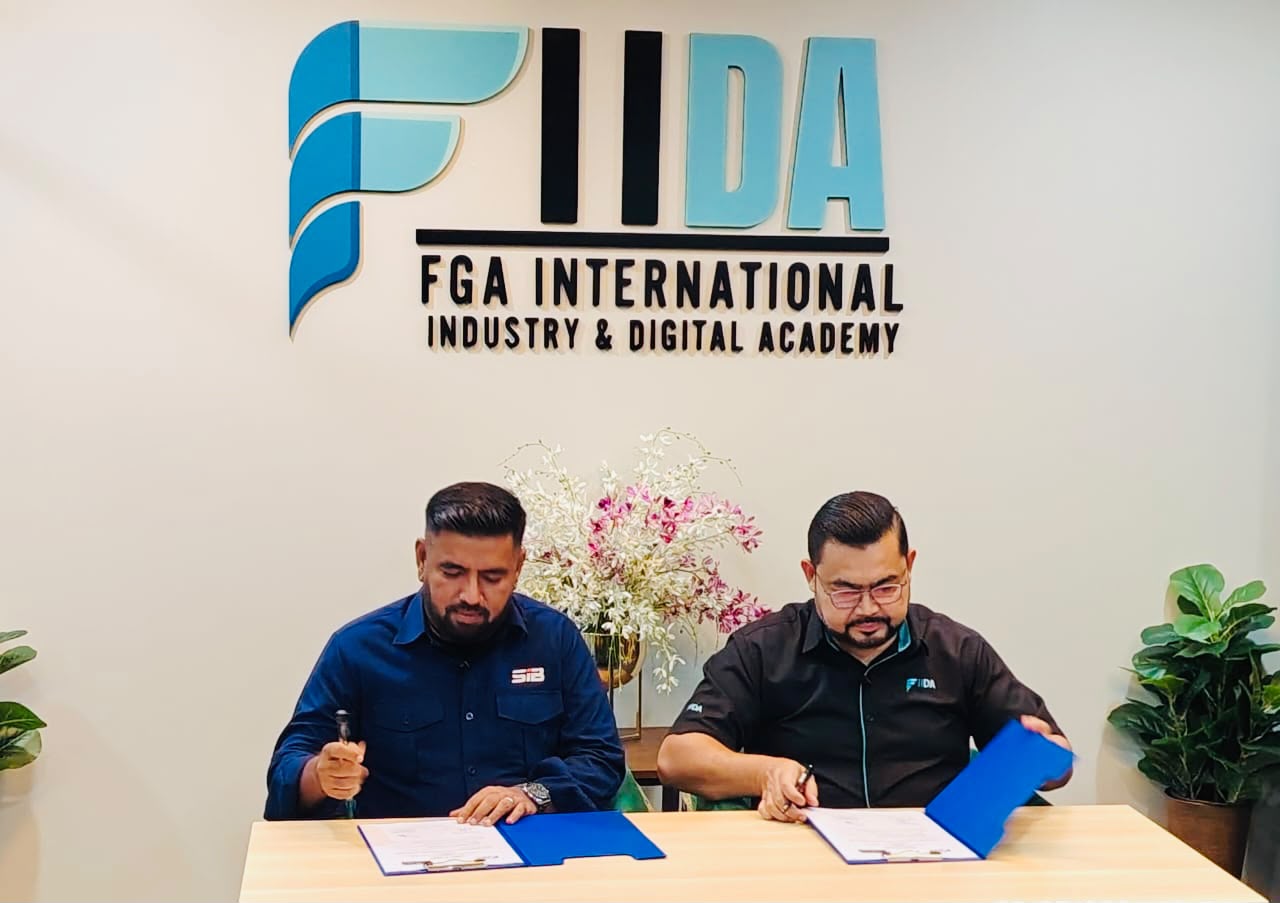
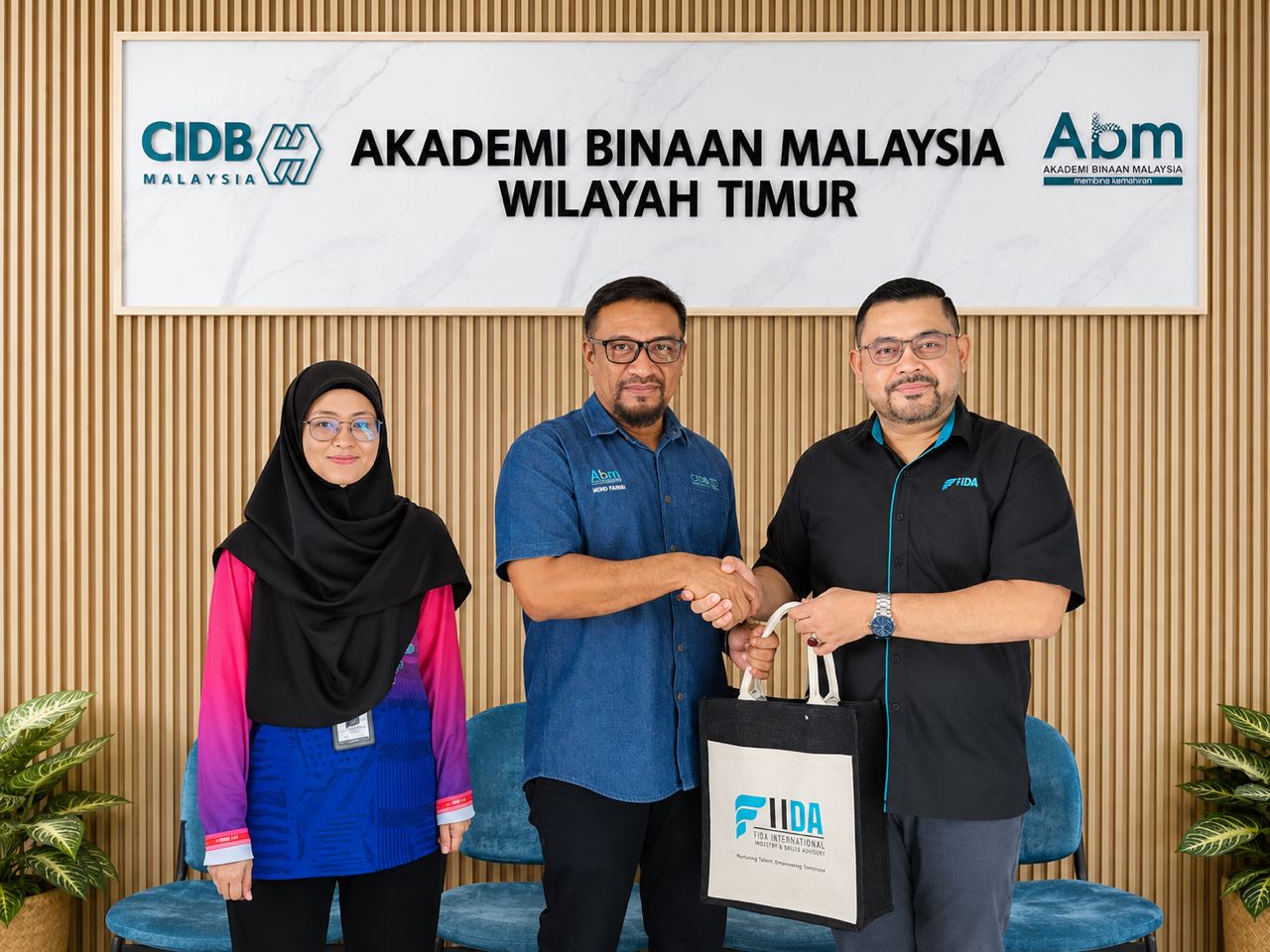
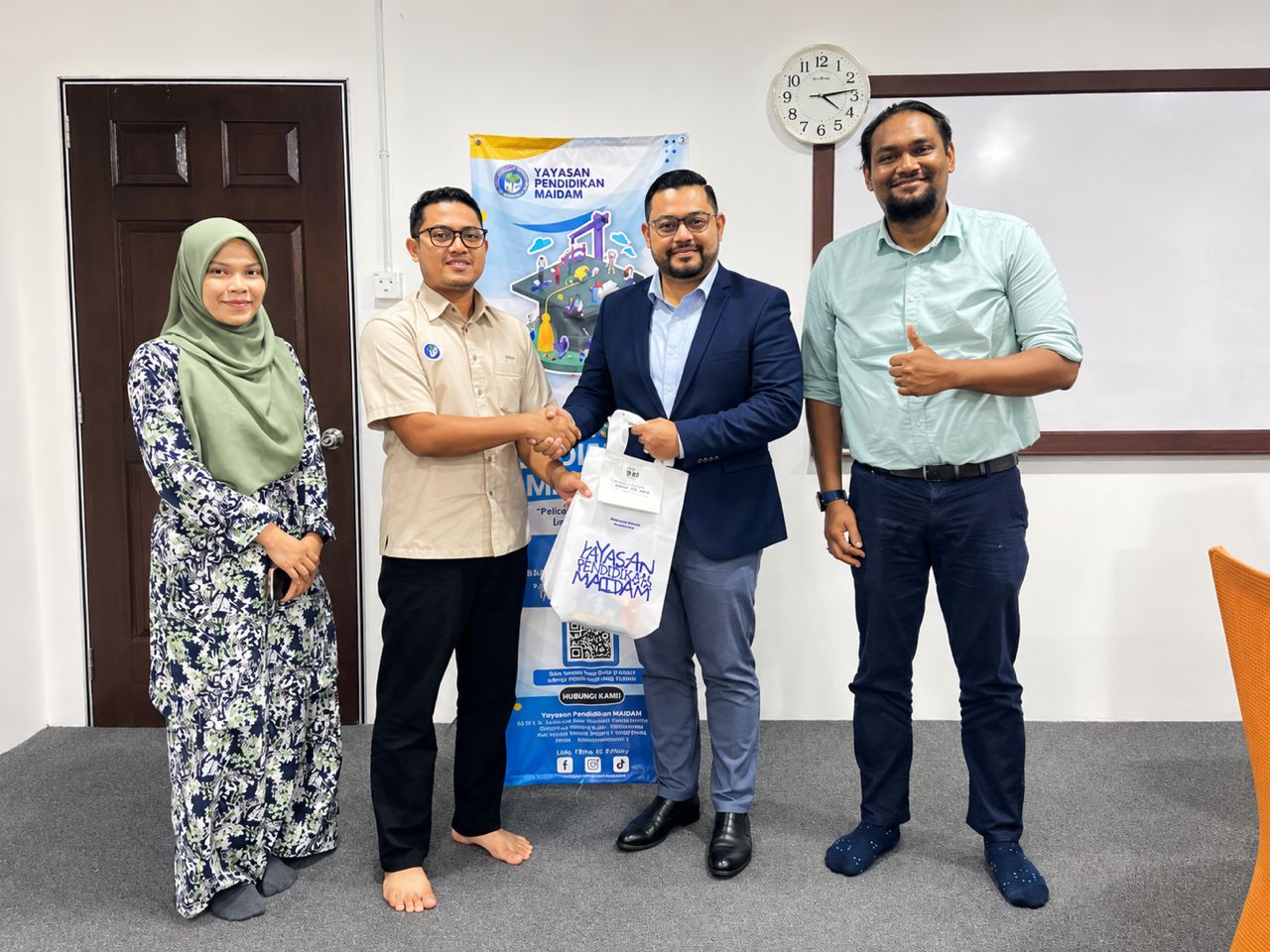
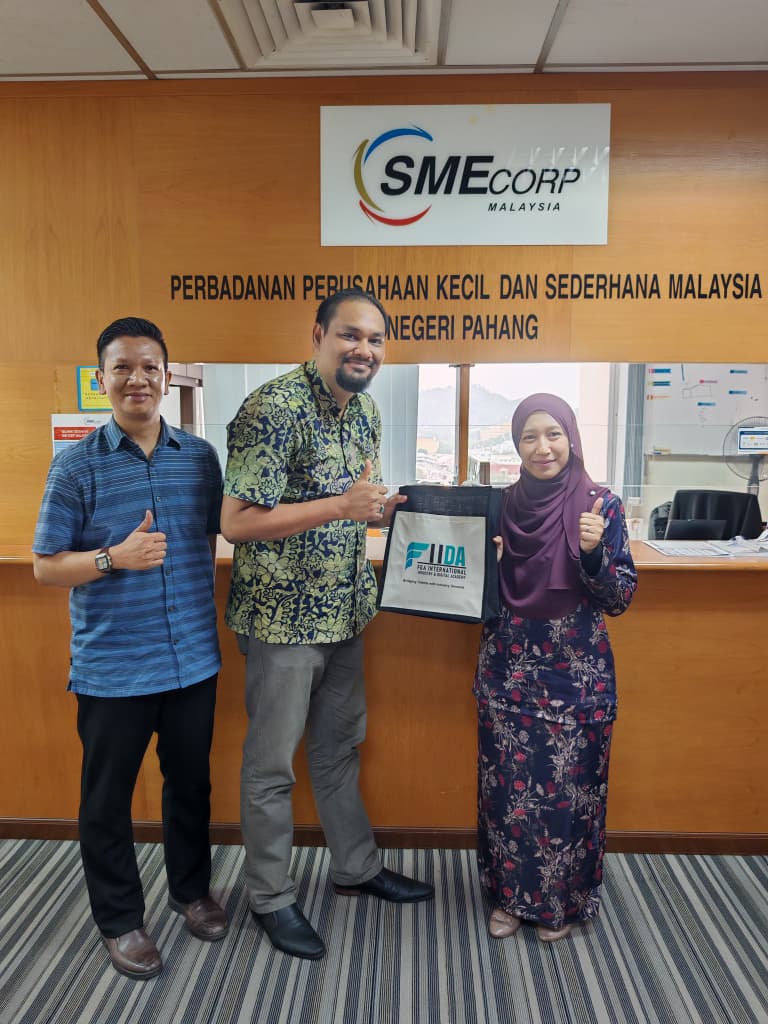
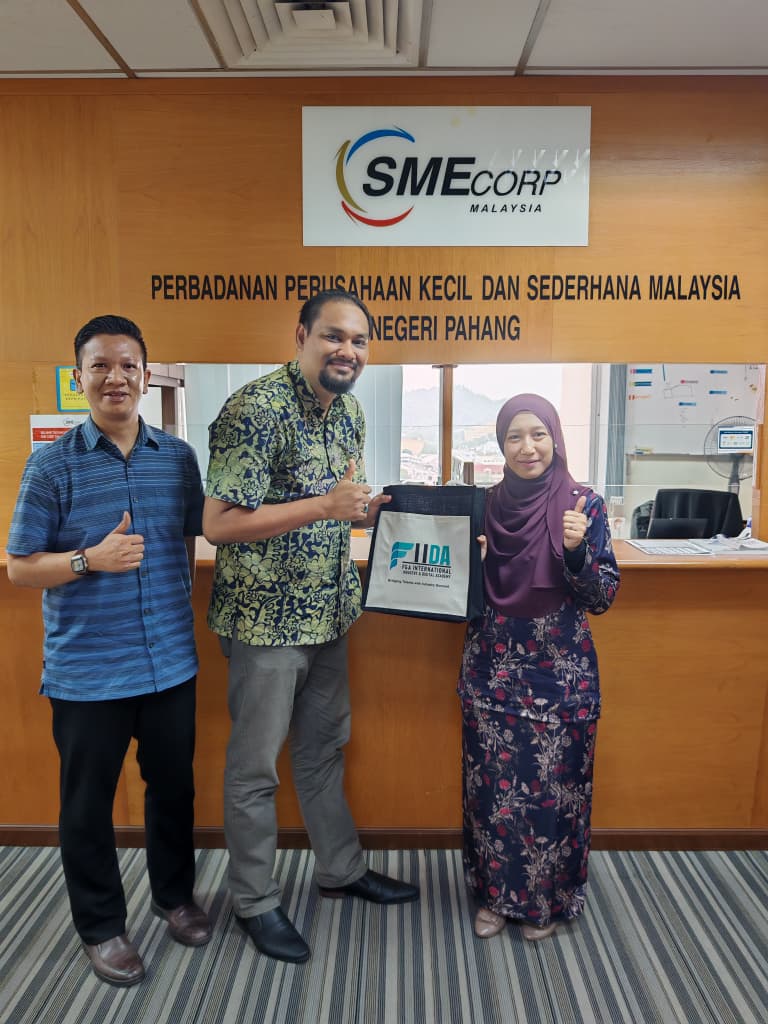
FGA International Industry & Digital Academy (FIIDA) conducted an official visit and strategic engagement session with SME Corp. Malaysia Pahang on 20 July 2026 to explore potential collaboration in strengthening the development of small and medium enterprises across the state.
The meeting provided a platform for FIIDA to introduce its industry-driven development ecosystem and present potential initiatives designed to help Pahang SMEs improve their digital capabilities, adopt artificial intelligence, expand their market reach and achieve sustainable business growth.
The discussion also explored how both organisations could combine their respective strengths to implement structured, practical and outcome-based SME development programmes.
Advancing the Development of Pahang SMEs
The proposed collaboration aims to support Pahang SMEs in becoming more competitive, innovative and prepared to operate in an increasingly digital business environment.
Among the main areas discussed were:
FIIDA also presented its potential role as a strategic ecosystem and implementation partner that could support the design, delivery and monitoring of high-impact SME development initiatives.
Addressing Current SME Challenges
During the session, several challenges commonly experienced by SMEs were highlighted.
These include uneven levels of digital adoption, limited knowledge of AI and digital tools, difficulties in scaling business operations, restricted access to wider markets and a lack of structured systems for measuring the impact of development programmes.
Some SMEs may attend training but continue to face difficulties translating their new knowledge into increased sales, stronger business performance or sustainable growth.
The proposed collaboration therefore places emphasis on practical implementation, continuous guidance and measurable business outcomes rather than training alone.
A Complete SME Development Ecosystem
FIIDA presented a proposed five-stage SME Development Ecosystem Model that supports entrepreneurs throughout their business growth journey.
1. Train
SMEs receive practical and hands-on training in digital literacy, AI applications, digital marketing, content creation, live selling and marketplace operations.
The objective is to provide participants with applicable knowledge that can be immediately introduced into their businesses.
2. Develop
Participants receive support in product development, branding, market positioning, content strategy, business operations and sales systems.
This stage aims to help SMEs establish stronger brands, improve their internal processes and become more competitive.
3. Deploy
Businesses are guided in entering digital platforms and marketplaces through product listing, platform onboarding, live-selling campaigns and the integration of suitable digital tools.
This allows SMEs to reach new customers and establish a stronger presence in the digital marketplace.
4. Monetise
The programme focuses on turning business development activities into measurable sales and income.
Areas such as customer conversion, sales activation, performance marketing and revenue tracking would be used to help SMEs improve their commercial performance.
5. Scale Up
High-performing SMEs would receive continuous mentoring, coaching, KPI monitoring, business advisory and strategic support to expand their operations.
The model is intended to ensure that SMEs are not only trained but also guided towards revenue generation, market expansion and sustainable growth.
Proposed High-Impact Training Programmes
Four potential training programmes were presented during the engagement.
Digitalisation and AI Adoption
This programme would help SMEs improve productivity and business efficiency through digital tools and artificial intelligence.
Potential learning areas include:
Market Access and Digital Commercialisation
This programme would prepare SMEs to enter digital marketplaces and reach a wider customer base.
Training may cover marketplace onboarding, product listing optimisation, live-selling techniques, digital advertising, campaign management, sales conversion and business analytics.
Business Growth and Scaling Up
The programme would support SMEs in strengthening their management systems and preparing for expansion.
Areas of focus may include financial literacy, pricing and costing, profit strategy, operational improvement, business model innovation, data-driven decision-making and the development of a scaling roadmap.
Entrepreneur Mindset and Leadership
This programme would strengthen the personal and leadership capabilities of SME owners.
Potential modules include entrepreneurial resilience, team management, communication, negotiation, strategic thinking, networking, branding and leadership execution.
Complementary Roles in the Proposed Collaboration
The discussion also outlined how SME Corp. Pahang and FIIDA could contribute complementary expertise to the proposed partnership.
SME Corp. Pahang could provide strategic direction, policy alignment, SME outreach and mobilisation, access to relevant grants or funding opportunities, and support in validating programme outcomes.
FIIDA could contribute through programme design, practical training delivery, continuous mentoring, technical guidance, digital platform support, market-access implementation and outcome reporting.
This combined approach would enable programmes to be delivered more systematically while ensuring that participating SMEs receive support beyond the classroom.
Creating Measurable and Sustainable Impact
A key element of the proposed collaboration is the development of a measurable monitoring framework.
Rather than evaluating success solely through attendance or programme completion, the proposed model would examine indicators such as:
This data-driven approach would help both organisations assess programme effectiveness, identify successful SMEs and recommend suitable opportunities for further development.
Potential Next Steps
Several potential next steps were identified during the presentation.
These include holding further technical discussions, determining the programme scope and objectives, establishing an implementation framework, identifying required resources and selecting a suitable group of SMEs for a pilot programme.
The results of the pilot initiative could then be reviewed and improved before the programme is expanded to benefit a wider SME community across Pahang.
Building Stronger SMEs for Pahang’s Future
The engagement represents a positive step towards strengthening cooperation between FIIDA and SME Corp. Pahang in developing a more digitally capable, innovative and resilient SME ecosystem.
FIIDA extends its sincere appreciation to SME Corp. Malaysia Pahang for the warm welcome and constructive discussion.
FIIDA looks forward to exploring future collaboration opportunities that can help local SMEs improve their capabilities, access wider markets, increase their business performance and contribute more significantly to the sustainable economic development of Pahang.
Together, we empower SMEs, accelerate digital transformation and build a stronger business ecosystem for Pahang.